
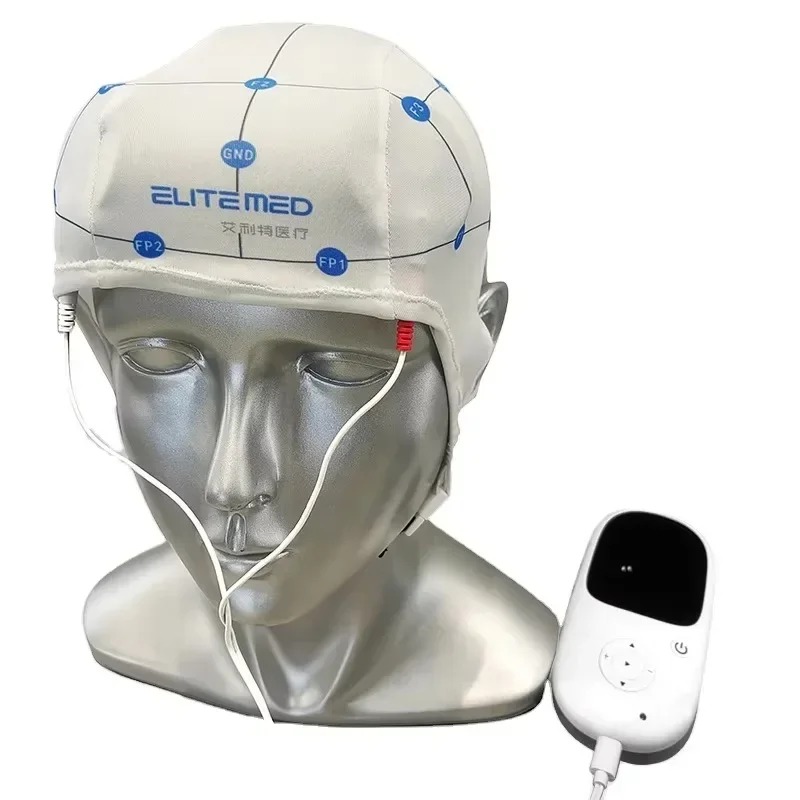
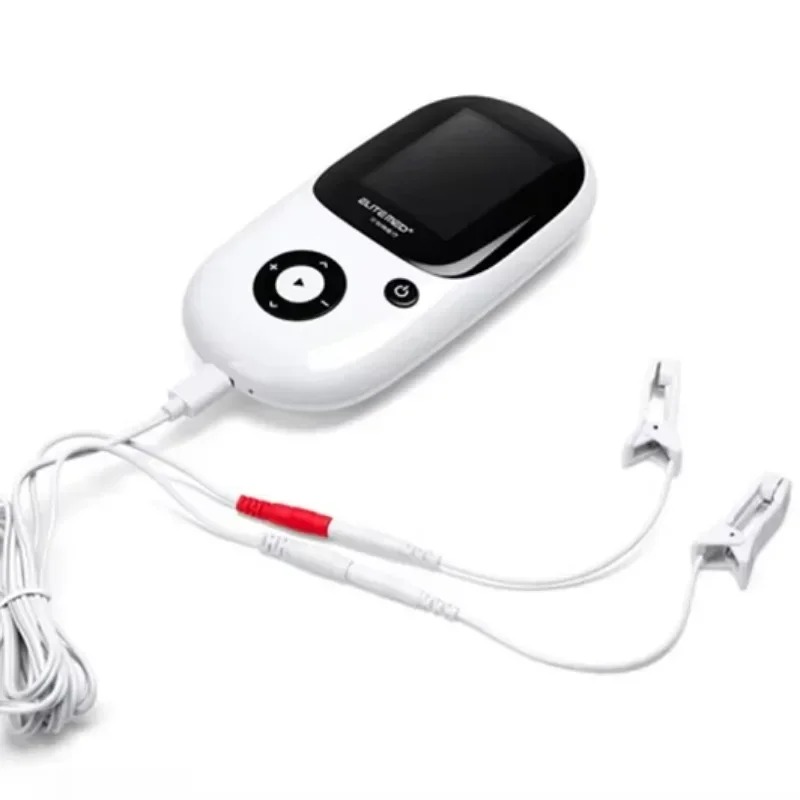
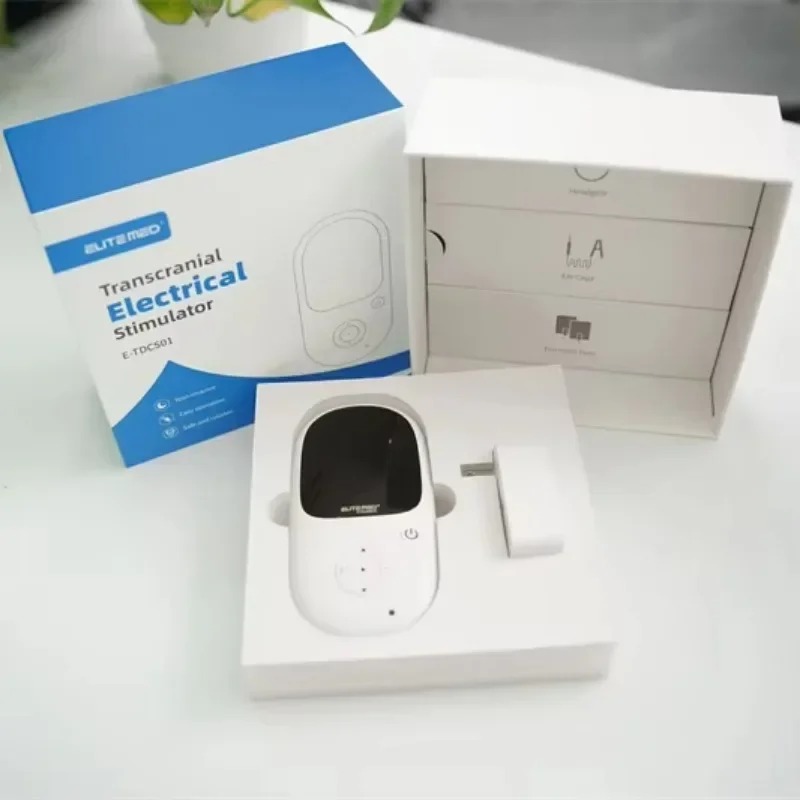
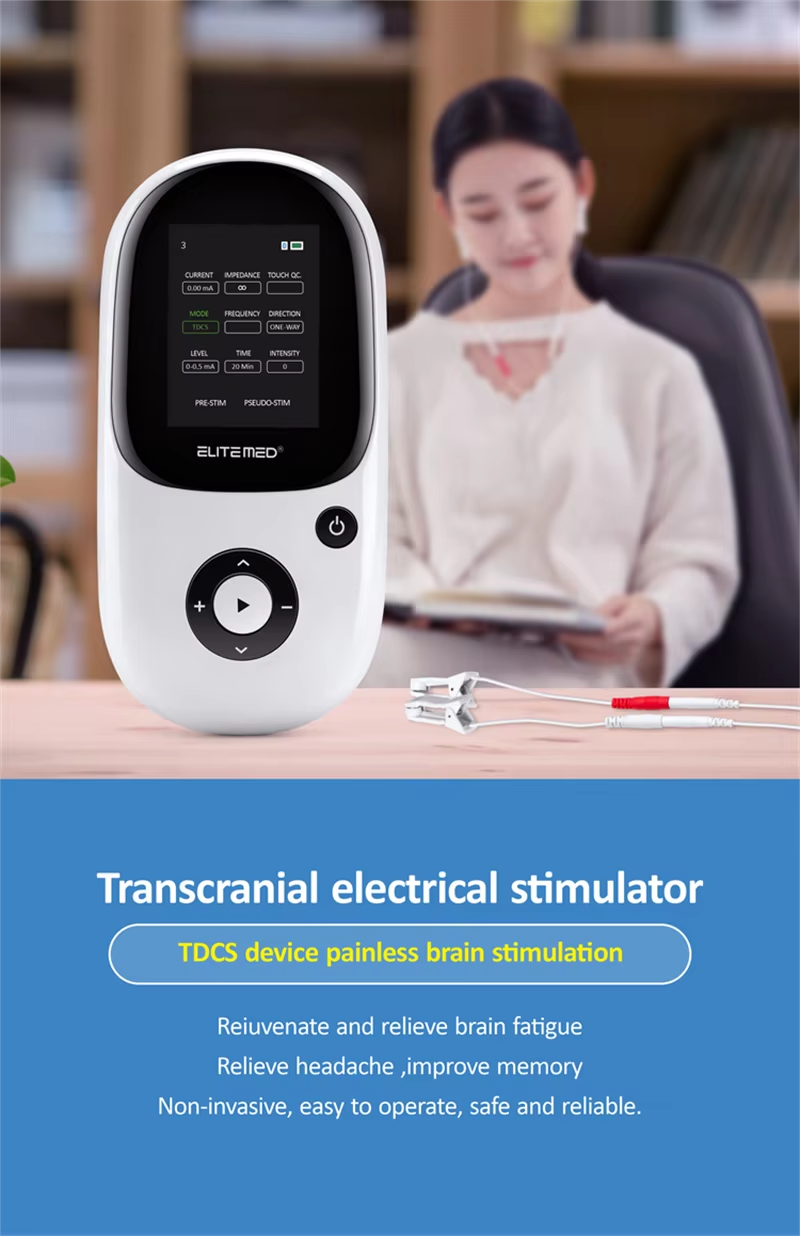
Transcranial Electrical Stimulation – An Accelerator for the Recovery of Craniocerebral Injuries
Transcranial direct current stimulation (tDCS) is a non-invasive, neuromodulation technique using a constant, low-intensity (0-2 mA) current. A weak direct current is applied to the cerebral cortex. The anode increases cortical excitability, which eases cortical neural tissue and improves functioning; the cathode decreases cortical excitability and inhibits overexcited cortical cells. tDCS acts directly on the cerebral cortex through polarised currents, promoting functional reorganisation of the brain and regulating cortical plasticity, thus improving the patient’s dysfunction. This technique includes a variety of stimulation modalities, which can be classified according to the different forms of current :Transcranial Direct Current Stimulation (tDCS), Transcranial Alternating Current Stimulation (tACS), Transcranial Random Noise Stimulation (tRNS), Transcranial pulsed current Stimulation (tPCS), Transcranial Electrotherapy Stimulation (tCES).
Currently, tDCS has different therapeutic effects on consciousness disorders, limb movement disorders, cognitive disorders, aphasia, dysphagia, psychosomatic disorders, ataxia, etc. after craniocerebral injury, as well as cerebral palsy, sleep disorders, Parkinson’s disease, Alzheimer’s disease, and alteration of excitability of spinal cord neural network, which is safe, painless, and easy to implement.
Reviews
There are no reviews yet.